
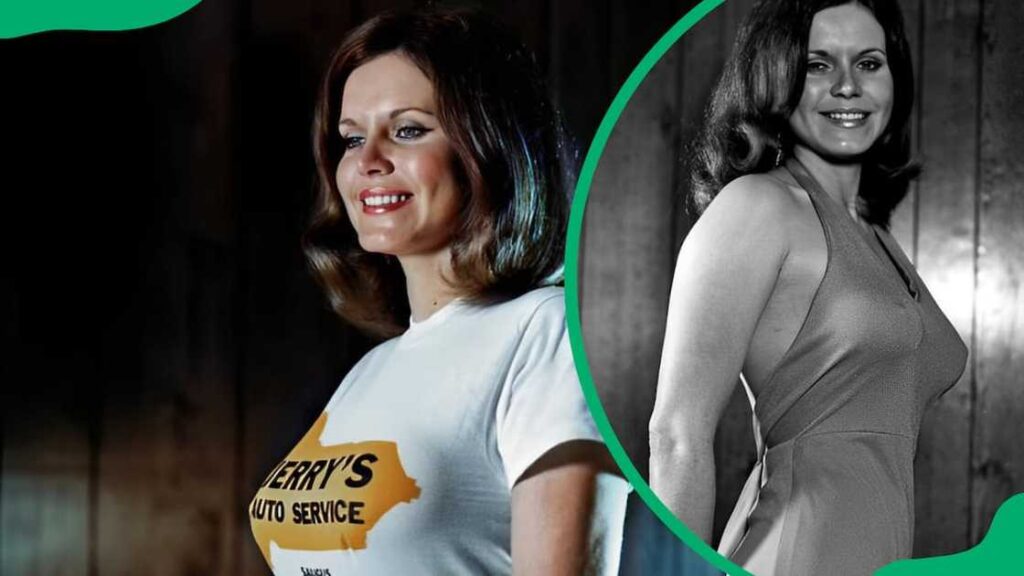
Barbara Roufs was more than just a pretty face in the world of 1970s drag racing. She became a cultural icon who represented an unforgettable era in American motorsports. Her sudden death at age 47 left fans and the racing community heartbroken, but her legacy continues to inspire nostalgia decades later.
Who Was Barbara Roufs?
Barbara Roufs was a prominent trophy girl in the Southern California drag racing scene during the 1970s. She worked at various racing events across the region, presenting trophies to winners and serving as a recognizable face of the sport. Her striking beauty, signature style, and genuine love for racing made her stand out among her peers.
Unlike many trophy girls who simply showed up for photo opportunities, Barbara genuinely embraced the drag racing culture. She attended races regularly and developed real friendships within the racing community.
Early Life and Background
Birth Year: 1944
Birthplace: Southern California, United States
Birthdate: Exact date unknown
Zodiac Sign: Unknown
Age at Death: 47 years old
Barbara grew up in California during the post-World War II boom. She came of age during the 1960s, a transformative period in American culture. Not much public information exists about her childhood or family background, as she lived before the internet age and kept her personal life relatively private.
Career as a Drag Racing Trophy Girl
Barbara’s career in drag racing began in the early 1970s. She worked primarily at:
- Lions Drag Strip in Long Beach, California
- Orange County International Raceway
- Various NHRA (National Hot Rod Association) events throughout Southern California
What Made Her Special
The 1970s marked the golden age of drag racing trophy girls. Barbara stood out for several reasons:
Her Signature Look: She wore go-go boots, miniskirts, and fashionable outfits that perfectly captured the era’s aesthetic. Her long hair and confident smile became instantly recognizable.
Authentic Passion: Barbara wasn’t just working a job. She genuinely loved the sport and the people involved in it. Racers and fans could tell the difference.
Professionalism: She maintained a positive attitude and treated everyone with respect, from legendary racers to first-time competitors.
Personal Life and Relationships
Barbara married young and had children. Her daughter has occasionally shared memories and photos of her mother with the racing community in recent years, helping keep Barbara’s memory alive.
Family Life: Barbara balanced her role as a mother with her work in drag racing. She managed to maintain both responsibilities during an era when working mothers faced more social scrutiny than today.
Little public information exists about her romantic relationships or marriage details, as she kept her private life away from the spotlight.
Before Fame
Before becoming a trophy girl, Barbara lived a typical California life in the 1960s. The exact path that led her to drag racing remains unclear, but Southern California’s car culture was everywhere during this period. It’s likely she had connections to the racing scene through friends or family.
The Tragic End
Barbara Roufs died in January 1991 at age 47. The exact circumstances of her death have been reported as suicide, though her family has maintained privacy about the specific details. Her passing shocked the drag racing community, which remembered her as vibrant and full of life.
The news spread slowly in the pre-internet era, and many racing fans didn’t learn about her death until years later.
Legacy and Remembrance
Why We Still Remember Her
Decades after her death, Barbara Roufs remains one of the most searched and discussed trophy girls from the 1970s drag racing era. Several factors contribute to her lasting legacy:
- Photographic Evidence: Numerous high-quality photos captured Barbara at various racing events, preserving her image for future generations
- Nostalgia Factor: She represents a specific moment in American culture that many people look back on fondly
- Mystery: The limited information about her personal life makes people curious to learn more
Modern Recognition
The internet age has brought renewed interest in Barbara’s story. Vintage racing enthusiasts share photos and memories on social media platforms. Her images frequently appear in articles about 1970s drag racing culture and automotive history.
For more fascinating stories about cultural icons and historical figures, visit Dot Daily.
Trivia
- Barbara worked during drag racing’s most popular era, when tracks regularly drew crowds of 20,000 or more spectators
- She appeared at races featuring legendary drivers like Don Garlits and Shirley Muldowney
- Photos of Barbara have become collectible items among vintage racing memorabilia enthusiasts
- Her go-go boots and miniskirts weren’t just fashion statements but became part of her professional uniform
The Cultural Context
Understanding Barbara’s role requires understanding 1970s drag racing culture. Trophy girls were integral to the sport’s presentation and marketing. They represented glamour and excitement in a male-dominated sport, helping attract broader audiences to racing events.
While modern perspectives on these roles have evolved, it’s important to recognize that Barbara and her contemporaries were professionals who took pride in their work and contributed to the sport’s popularity.
Final Thoughts
Barbara Roufs lived a life that touched many people in the drag racing community. Though she died too young, the joy and energy she brought to the sport continues resonating with those who remember her and those discovering her story today. Her legacy reminds us how individual personalities can define entire eras of cultural history.

Shahid Maqsood is an Editor and Content Strategist with 5 years of experience in digital media and content publishing. He holds an MBA and a Master’s degree in Mass Communications, combining business insight with editorial expertise. Shahid specializes in biography writing, technology, and business news — crafting content that is accurate, well-researched, and reader-first. He currently leads editorial strategy at Dot Daily, ensuring every story meets the highest standards of clarity and credibility. Connect on LinkedIn