
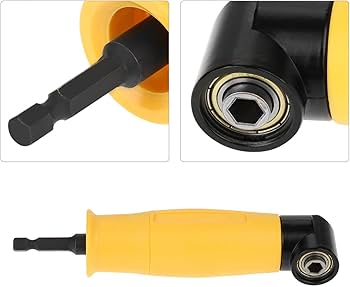
If you work in tight spaces where a standard drill can’t reach, you’ve probably heard of a winkelbohrspindel. This German term translates to “angle drill spindle” in English, and it’s a tool that solves one of the most frustrating problems in metalworking, woodworking, and construction. When you need to drill at an angle or in a cramped corner, this attachment becomes essential.
Let me walk you through everything about these tools, from what they are to how they can make your work easier.
What Is a Winkelbohrspindel?
A winkelbohrspindel is an attachment that converts the rotating motion of your drill into an angled output. Think of it as an elbow joint for your drill. The spindle head sits at a 90-degree angle to the input shaft, letting you drill holes in places where a straight drill simply won’t fit.
Most angle drill spindles attach to standard drills, drill presses, or milling machines. They use bevel gears inside a compact housing to change the direction of rotation. The result is a tool that can reach into corners, along walls, and inside tight assemblies without requiring you to take everything apart first.
These tools come in different sizes and capacities. Some handle light-duty work with small drill bits, while industrial models can manage heavy drilling with larger bits and higher torque.
Why You Need One
The main reason people buy a winkelbohrspindel is access. Regular drills work great in open spaces, but many real-world jobs don’t give you that luxury. You might need to drill into the side of a cabinet, work inside a machine frame, or reach a spot blocked by walls or other components.
Without an angle spindle, you’d need to disassemble parts, cut access holes, or sometimes give up on the ideal placement entirely. With one, you just attach it to your drill and get the job done.
Professional metalworkers and machinists rely on these tools daily. Cabinet makers use them for installing hinges in tight corners. Auto mechanics need them for work inside engine bays. Even DIY enthusiasts find them valuable for home projects where space is limited.
The tool saves time and reduces frustration. Instead of working around limitations, you work directly on the problem.
How a Winkelbohrspindel Works
The mechanics are straightforward. Inside the spindle housing, you’ll find a set of bevel gears. When you power the input shaft, these gears transfer the rotation to the output shaft at a right angle.
The gear ratio matters. A 1:1 ratio maintains the same speed and torque as your drill. Some models use different ratios to either increase torque for tough materials or increase speed for faster drilling.
The housing protects the gears and provides mounting points. Better models use sealed bearings and quality materials that handle heat and stress without wearing out quickly.
To use one, you mount it to your drill’s chuck or attach it to your machine’s spindle. Load your drill bit into the angle head, position it where you need to work, and operate your drill normally. The angle head does the rest.
Who Uses These Tools
Metalworkers and machinists form the primary user base. They work with rigid materials and precise measurements where even small access problems can halt a project. An angle drill spindle lets them maintain accuracy without compromising on placement.
Woodworkers and cabinet makers rely on them for installing hardware. When you’re fitting hinges, locks, or slides inside a cabinet corner, a standard drill creates awkward angles and potential mistakes. The angle spindle keeps everything square and accurate.
Auto mechanics and equipment repair technicians deal with cramped engine compartments and machinery housings. They need to drill, tap, or fasten components in spaces designed without maintenance access in mind.
Construction professionals use them for structural work, especially when installing fixtures, running conduit, or working around existing framing. The tool eliminates the need to cut access holes that would weaken the structure.
Home workshop enthusiasts appreciate having one in their toolkit. Even occasional use justifies the investment when it means completing a project properly instead of settling for a workaround.
For more tools and equipment insights, check out Dot Daily for helpful guides and reviews.
Tips for Choosing the Right One
Start with the chuck size. Common options include 10mm, 13mm, and 16mm. Match this to the drill bit sizes you typically use. A 10mm chuck works for most light-duty applications, while 13mm and larger handle serious work.
Check the maximum torque rating. This tells you how much force the spindle can handle before the gears slip or break. If you drill hard metals or use large bits, you need higher torque capacity.
Look at the gear ratio. A 1:1 ratio suits general use. If you need more power, look for ratios like 1:1.5 that increase torque at the cost of speed. For delicate work, higher speed ratios exist but are less common.
Build quality matters more than you might think. Cast aluminum housings offer decent strength at lower prices. Steel housings last longer under heavy use. Sealed bearings keep dust and debris out, extending the tool’s life.
Consider the mounting method. Keyed shafts provide the strongest connection for industrial machines. Threaded mounts work well for drill presses. Quick-change systems suit professionals who switch tools frequently.
Performance Considerations
Speed limitations exist with all angle drill spindles. The bevel gears create friction and heat, which limits how fast you can safely operate. Running too fast causes excessive wear and potential failure.
Most models work best at moderate speeds. For drilling metal, this matches up well since you typically want slower speeds and higher torque anyway. For wood, you might need to adjust your expectations.
Accuracy can suffer if you buy a cheap model. Low-quality gears introduce wobble, which shows up as oversized or out-of-round holes. Professional-grade spindles maintain concentricity within tight tolerances.
Heat buildup is normal during extended use. Better models dissipate heat through the housing and use lubricants that handle temperature swings. If your spindle gets too hot, let it cool before continuing. Overheating damages the gears and bearings.
The tool adds weight and length to your setup. This affects balance and control, especially with handheld drills. Practice with scrap material before tackling important work.
Benefits of Using One
The obvious benefit is access to difficult spots. But there are others worth noting.
You maintain better accuracy when you can position your drill properly. Instead of drilling at an awkward angle with a standard drill, you set up square to your work and let the spindle handle the angle.
Less damage to surrounding areas happens when you don’t need to force a regular drill into tight spaces. You avoid scraping finished surfaces or bumping into adjacent components.
Time savings add up. Jobs that might require disassembly or creative workarounds get done in minutes instead of hours.
You can use your existing drill instead of buying specialized right-angle drills. This saves money and reduces the number of tools you need to store and maintain.
Risks and Common Problems
Cheap angle drill spindles fail quickly under real working conditions. The gears strip, bearings seize, or housings crack. You save money upfront but end up replacing the tool or causing damage to your work.
Improper use causes most problems. Running too fast, applying excessive side load, or ignoring maintenance leads to premature failure even with quality tools.
Chuck capacity limits what you can do. If you try to use bits larger than the rated size, you risk damaging both the bit and the spindle.
Wobble and runout create oversized holes. This comes from worn bearings, damaged gears, or poor manufacturing quality. Always test a spindle with scrap material before using it on important work.
Some models lack adequate cooling. Extended use generates heat that breaks down lubricants and warps metal components. Pay attention to temperature and take breaks when needed.
Features to Look For
Replaceable components extend the tool’s useful life. Some manufacturers offer replacement gears, bearings, and chucks. This turns a consumable tool into a long-term investment.
Adjustable positioning lets you set the angle head at different orientations around the input shaft. This adds flexibility for working in various configurations.
Quick-change chucks speed up bit changes. Instead of using a chuck key, you can swap bits by hand in seconds.
Cooling fins or ventilation holes help manage heat during heavy use. They’re especially valuable if you drill tough materials or work for extended periods.
Clear capacity markings prevent mistakes. You want to see the maximum bit size, torque rating, and recommended speed range at a glance.
Maintenance and Care
Regular cleaning prevents buildup of metal chips and dust. These contaminants work their way into bearings and gears, causing accelerated wear.
Lubrication is critical. Most angle drill spindles need periodic greasing. Check the manufacturer’s recommendations for the type of lubricant and maintenance intervals.
Inspect for wear before each use. Look for loose components, damaged gears visible through inspection ports, or unusual play in the chuck. Catching problems early prevents catastrophic failure during use.
Store the tool properly. Keep it in a case or drawer where it won’t get knocked around. Protect the chuck from impacts that could damage the jaws.
Replace worn parts promptly. A failing bearing or damaged gear only gets worse with continued use. Many problems that seem minor will cascade into complete tool failure if ignored.
Making the Right Investment
Quality angle drill spindles cost more upfront but deliver better performance and longer life. A professional-grade model might cost three to five times what a budget option runs, but it will last through years of regular use.
Consider your usage frequency. If you need the tool occasionally for light work, a mid-range model makes sense. Daily professional use justifies investing in top-tier equipment.
Read reviews from actual users, not just marketing materials. Real-world experience tells you about durability, accuracy, and customer service.
Match the tool to your equipment. An angle spindle designed for industrial milling machines won’t work well on a consumer-grade handheld drill. Make sure the specifications align with your power source.
Final Thoughts
A winkelbohrspindel solves real problems that come up in metalworking, woodworking, construction, and repair work. When you need to drill in tight spaces or at awkward angles, nothing else works as well.
The key is choosing a quality tool that matches your needs and maintaining it properly. Skip the cheapest options unless you only need it once. Invest in something that will perform consistently and last through multiple projects.
Understanding how these tools work and what to look for helps you make a smart purchase. You’ll know whether you need industrial capacity or if a lighter-duty model suits your work. You’ll recognize quality construction and avoid problematic designs.
For most people who work with tools regularly, an angle drill spindle earns its place in the toolkit. The first time you complete a job that would have been impossible otherwise, the value becomes clear.

Shahid Maqsood is an Editor and Content Strategist with 5 years of experience in digital media and content publishing. He holds an MBA and a Master’s degree in Mass Communications, combining business insight with editorial expertise. Shahid specializes in biography writing, technology, and business news — crafting content that is accurate, well-researched, and reader-first. He currently leads editorial strategy at Dot Daily, ensuring every story meets the highest standards of clarity and credibility. Connect on LinkedIn