
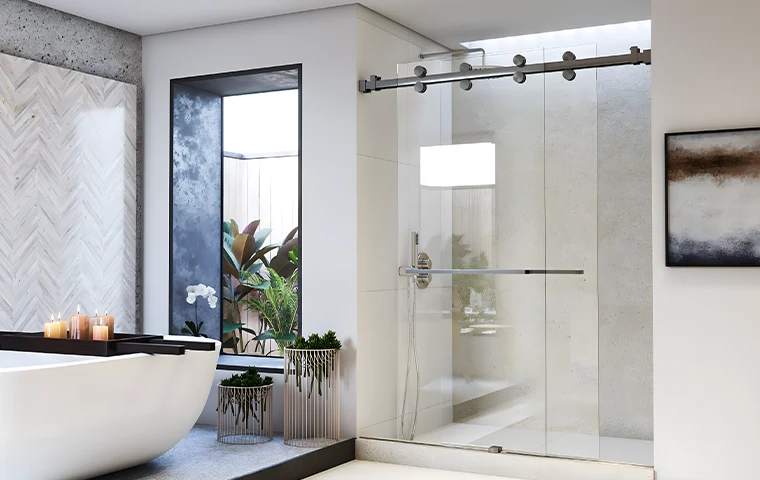
Finding the right shower can transform your daily routine from a rushed necessity into a moment of genuine relaxation. The Serenity Shower has caught attention lately, and if you’re wondering whether it lives up to the name, you’re in the right place.
This guide walks through what makes these shower systems different, who they’re actually for, and whether they’re worth your money. No marketing fluff, just straight information to help you decide.
What is a Serenity Shower?
A Serenity Shower typically refers to shower systems designed with multiple spray settings, rainfall features, and therapeutic water pressure options. The term covers various products, from complete shower panel systems to high-end showerheads with spa-like features.
These systems usually include:
Rainfall showerheads that mimic natural rain patterns
Handheld spray options for targeted cleaning
Body jets positioned at different heights
Temperature control panels for precise adjustments
LED lighting in some premium models
The main idea is bringing hotel spa quality into your home bathroom. Instead of one basic spray pattern, you get multiple options depending on your mood and needs.
Most Serenity Shower systems install in standard bathrooms without major renovations. They work with existing plumbing in many cases, though some larger systems need professional installation.
Why People Choose Serenity Showers
The appeal goes beyond just having a fancy bathroom fixture. People invest in these systems for specific reasons that matter to their daily lives.
Stress relief tops the list. After long workdays, having water pressure that actually relaxes tight muscles makes a difference. The rainfall setting mimics natural experiences that calm your nervous system.
Water efficiency matters more now than ever. Quality Serenity Shower systems use aerating technology that maintains pressure while using less water. You get the spa experience without the guilt of wasting resources.
Home value considerations come into play too. Bathroom upgrades consistently rank among the best returns on investment for home improvements. A well-installed shower system appeals to future buyers.
Health benefits include better circulation from massage jets and improved sleep quality when you shower before bed with relaxing settings.
For more insights on home improvement choices, check out DotDaily for practical guides.
How Serenity Showers Work
Understanding the mechanics helps you make better choices and maintain your system properly.
The core technology involves water flow distribution. Instead of forcing all water through one nozzle, these systems split flow across multiple outlets. This creates different pressure zones and spray patterns.
Pressure balance valves maintain consistent temperature even when someone flushes a toilet or runs water elsewhere. This prevents those unpleasant temperature shocks mid-shower.
Diverter valves let you switch between rainfall heads, handheld sprayers, and body jets. Higher-end models allow multiple functions running simultaneously.
Flow restrictors built into quality systems ensure you don’t exceed local water usage regulations while still delivering satisfying pressure.
Installation complexity varies. Basic showerhead replacements take 30 minutes with basic tools. Full panel systems might need a plumber, especially if you’re adding body jets that require new water lines.
Most systems connect to standard half-inch plumbing lines. You’ll need adequate water pressure in your home, typically at least 40 PSI for full functionality.
Who Should Consider a Serenity Shower
These systems aren’t for everyone, and that’s fine. Knowing whether it matches your situation saves money and disappointment.
Homeowners planning to stay put get the most value. If you’re selling within a year, simpler upgrades might make more sense.
People with muscle tension or chronic pain often find therapeutic benefits from massage jets and varied pressure settings. The investment pays off in reduced discomfort.
Families with different preferences appreciate multiple settings. One person likes gentle rainfall, another wants strong pressure. Everyone gets what they need.
Anyone renovating their bathroom should at least consider these systems. The cost difference between basic and quality shower systems narrows when you’re already doing plumbing work.
Not ideal for renters unless you get landlord approval and plan to stay long-term. Installation effort isn’t worth it for short stays.
Budget-conscious buyers should know that quality varies enormously. Cheap systems frustrate more than satisfy. Better to upgrade gradually than buy poor quality now.
Tips for Choosing Your System
Shopping for shower systems can overwhelm you quickly. Here’s how to cut through the confusion.
Start with your water pressure. Test it with a gauge from any hardware store. Below 40 PSI means you need a system designed for low pressure, or you’ll be disappointed.
Measure your shower space carefully. Rainfall heads need ceiling height. Body jets need wall space. Panel systems need specific dimensions.
Think about cleaning. More jets mean more nozzles to maintain. Hard water areas should prioritize systems with easy-clean rubber nozzles you can wipe with your finger.
Check valve quality. Ceramic disc valves last longer than compression valves. This matters for long-term satisfaction.
Read actual user reviews, not just star ratings. Look for comments about durability after six months or a year.
Consider water heating capacity. Multiple jets running simultaneously need adequate hot water. Small tank water heaters might struggle.
Match finish to existing fixtures. Chrome, brushed nickel, and oil-rubbed bronze should coordinate with your faucets and towel bars.
Performance Expectations
Realistic expectations prevent disappointment. Here’s what these systems actually deliver.
Water coverage improves dramatically over basic showerheads. Rainfall patterns typically span 8 to 12 inches, covering your whole body without adjustment.
Temperature stability depends on valve quality more than price. A $200 system with good valves outperforms a $500 system with poor ones.
Pressure consistency varies by design. Systems pulling from one supply line must split pressure between outlets. Dedicated lines for different functions perform better.
Noise levels matter if you shower early or late. Quality systems run quietly. Cheap ones can rattle or whistle.
Most users report satisfaction increases after an adjustment period. You need a few days to figure out which settings you prefer for different times and moods.
Benefits Beyond the Obvious
Some advantages only become clear after living with these systems.
Morning routines improve. The right wake-up spray setting actually helps you feel more alert. Cooler water temperature with invigorating pressure beats coffee for some people.
Cleaning the shower itself gets easier. Handheld sprayers rinse walls and floors much faster than fixed heads.
Pet washing becomes manageable. If you have dogs, the handheld option makes bath time less chaotic.
Kids enjoy shower time more. Different settings make hygiene less of a battle for parents with young children.
Post-workout recovery feels better. Targeted jets on sore muscles provide immediate relief.
Facts About Installation and Maintenance
Some practical realities you should know upfront.
Installation typically takes 2 to 4 hours for professionals, longer for DIY attempts. Panel systems need secure wall mounting to handle weight and water pressure.
Hard water is your biggest enemy. Mineral buildup clogs jets and damages valves. Installing a water softener extends system life significantly.
Filter cleaning should happen monthly in hard water areas, quarterly otherwise. Most systems have accessible filters you can rinse.
Valve cartridge replacement becomes necessary every 3 to 5 years with regular use. Keep model numbers handy for ordering parts.
Warranty terms matter enormously. Lifetime warranties on finishes are common. Lifetime warranties on internal parts are rare and valuable.
Professional maintenance checks every couple years catch small issues before they become expensive problems.
Risks and Common Problems
Being honest about potential issues helps you decide and prepare.
Leaks behind walls cause the most serious damage. Improper installation is usually the culprit. Never skip the plumber if you’re not experienced.
Pressure imbalance frustrates users when systems are mismatched to home plumbing. You can’t fix low home pressure with an expensive showerhead.
Finish degradation happens faster with harsh cleaners. Stick to mild soap and water for cleaning.
Compatibility issues arise when mixing brands or installing new systems with old plumbing. Sometimes you need new valve bodies, adding cost.
Buyer’s remorse often comes from unrealistic expectations set by marketing photos showing unlimited hot water and perfect pressure.
Scam Alerts and What to Avoid
The shower system market includes plenty of questionable products and sellers.
Fake reviews plague online marketplaces. Look for verified purchase badges and detailed reviews mentioning specific use cases.
Impossibly low prices usually mean cheap materials that fail quickly. Quality systems start around $150 for basic models, $400+ for full panels.
Pressure and flow claims that seem too good are usually false. Physics limits what’s possible with standard home plumbing.
Unknown brands with no support leave you stranded when parts fail. Stick with companies that have been around at least a few years.
Unauthorized resellers sometimes void warranties. Buy from approved retailers or directly from manufacturers.
The Platform and Market Reality
Understanding who makes these products and how the market works helps you shop smarter.
Major plumbing fixture companies like Moen, Delta, and Kohler dominate the quality segment. They have reputations to protect and honor warranties.
Smaller specialty companies often innovate faster but may lack long-term support infrastructure.
The market has exploded in the last decade as manufacturing costs decreased and consumer expectations increased. This creates opportunities and risks.
Online-only brands save money by skipping retail markups but offer less hands-on evaluation before buying.
Professional plumber recommendations tend toward brands they trust for reliability and parts availability.
Making Your Decision
After all this information, here’s how to actually choose.
Visit showrooms if possible. Water flow looks and feels different in person than in videos.
Talk to your plumber before buying, especially for panel systems. They’ll spot compatibility issues you might miss.
Buy quality where it matters most: valves, mounting hardware, and seals. You can compromise on finishes or extra features.
Start with a good showerhead if budget is tight. Upgrade to full systems later when finances allow.
Remember that the best shower system is the one you’ll actually enjoy using daily, not the one with the most features.
Conclusion
Serenity Showers represent a meaningful upgrade for many people, transforming a daily necessity into genuine self-care time. They’re not magic solutions, but when chosen correctly for your specific situation, they deliver real benefits.
Focus on matching systems to your water pressure, space, and actual needs rather than getting dazzled by features you won’t use. Quality matters more than complexity. Proper installation and maintenance determine long-term satisfaction more than initial price.
Whether you choose a simple rainfall head or a full panel system, the goal is the same: making every shower feel less like a chore and more like a reset button for your day.

Shahid Maqsood is an Editor and Content Strategist with 5 years of experience in digital media and content publishing. He holds an MBA and a Master’s degree in Mass Communications, combining business insight with editorial expertise. Shahid specializes in biography writing, technology, and business news — crafting content that is accurate, well-researched, and reader-first. He currently leads editorial strategy at Dot Daily, ensuring every story meets the highest standards of clarity and credibility. Connect on LinkedIn