
Have you ever dreamed of a pet that can regrow its own limbs? Many people face the challenge of finding a unique, low-maintenance companion. Enter the axolotl. This fascinating creature solves that problem with its quirky looks and amazing abilities. As your friendly expert, I will guide you through axolotl care. You will learn about their habitat, diet, and regeneration powers. We cover setup tips, health advice, and more to help you keep your axolotl thriving.
Axolotls stand out in the pet world. They offer endless wonder with their gill-fringed heads and perpetual smiles. This guide draws from trusted sources like wildlife studies and expert insights. You get practical steps to avoid common pitfalls. Plus, we include unique details from recent research on their regeneration. By the end, you will feel confident to welcome an axolotl into your home.
What Is an Axolotl?
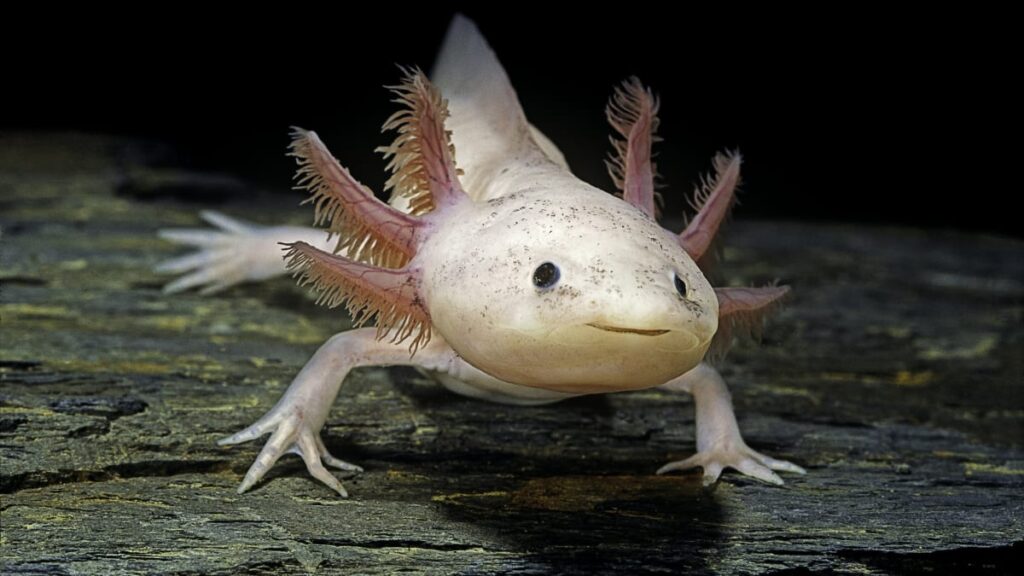
You might wonder about this odd salamander. Axolotls belong to the species Ambystoma mexicanum. They come from Mexico’s ancient lakes. Unlike most salamanders, axolotls stay in their larval form for life. This trait is called neoteny. It means they keep gills and live fully in water.
Axolotls grow to 9-12 inches long. They have wide heads, small eyes, and feathery external gills. These gills help them breathe underwater. Their skin comes in colors like wild brown or bred pinks. Axolotls move slowly but snap at food with suction power.
Key Features of Axolotls
- External gills for oxygen intake.
- Four limbs with thin digits.
- Smooth, sensitive skin that needs clean water.
- Ability to change color slightly for camouflage.
Logic tells us axolotls evolved this way to suit cool, still waters. Fun fact: They can live up to 15 years with good care. Avoid the myth that they turn into land animals – most stay aquatic forever.
Axolotl Habitat in the Wild
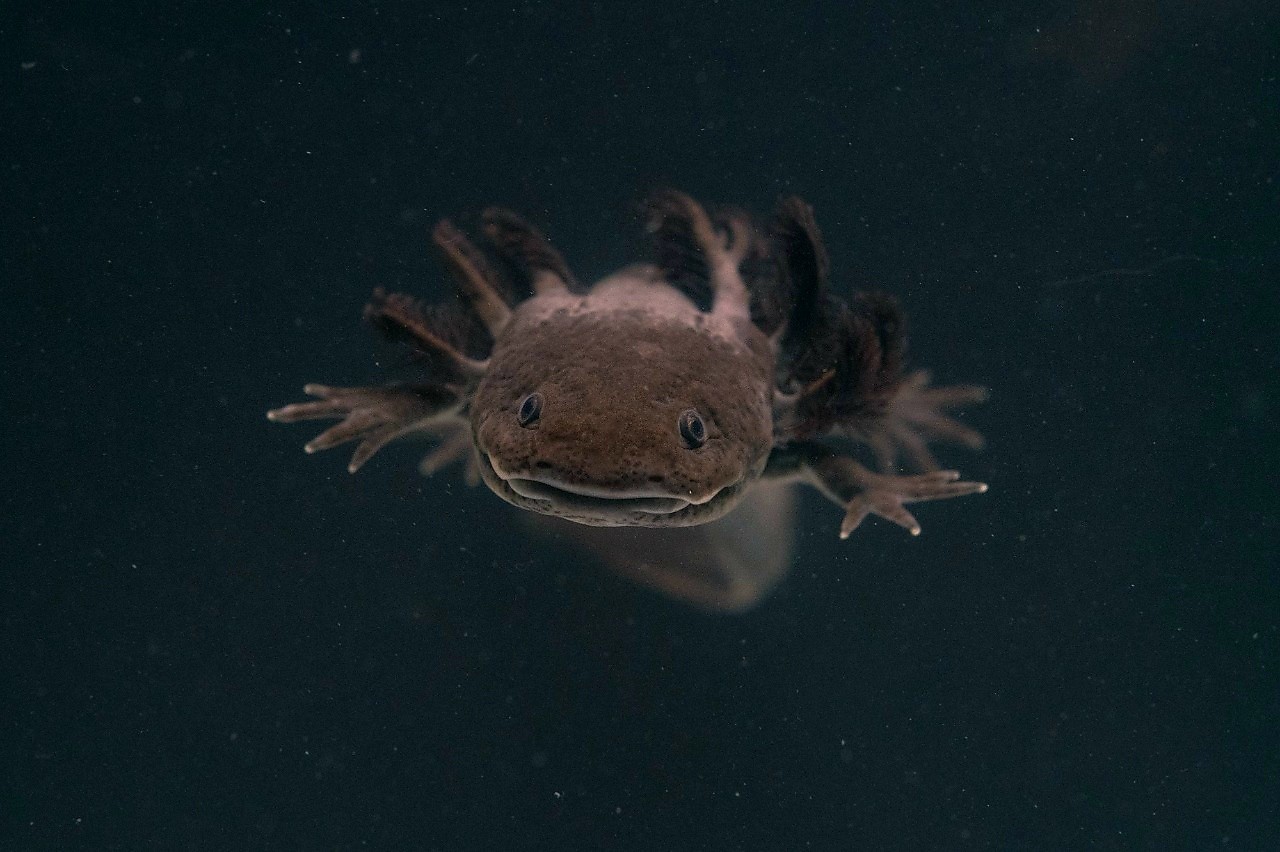
Axolotls once thrived in Lake Xochimilco and Lake Chalco near Mexico City. These lakes had clear, cool water with lots of plants. Urban growth drained much of the area. Now, axolotls cling to canals in Xochimilco.
Wild axolotls prefer temperatures from 6-20°C. They hide in mud and vegetation during the day. At night, they hunt for food. Pollution and invasive fish like tilapia threaten them. The International Union for Conservation of Nature lists axolotls as critically endangered. Only 50-1,000 remain in the wild.
Threats to Wild Axolotls
- Habitat loss from city expansion.
- Water pollution from waste and pesticides.
- Competition from non-native species.
- Low genetic diversity in small populations.
Picture a wild axolotl dodging carp in murky canals. Conservation groups build artificial refuges. You help by choosing captive-bred pets.
atmos.earth
Rewilding the Endangered Axolotl in Lake Xochimilco | Atmos
Setting Up Your Axolotl Tank
You need the right home for your axolotl. Start with a 20-gallon tank for one adult. Add 10 gallons per extra axolotl. Keep water depth at least as long as your pet.
Use a secure lid to stop jumps. Axolotls like cool water at 16-18°C. Get a chiller if your room gets warm. Avoid gravel – they might swallow it. Go bare bottom or use large smooth rocks.
Essential Tank Setup Checklist
- Filter with gentle flow to avoid stressing gills.
- Hiding spots like PVC pipes or plants.
- Dechlorinated water with salts for skin health.
- LED lights on a 12-hour cycle.
- Thermometer and test kits for pH (6.5-8.0), ammonia, nitrites.
Cycle the tank for weeks before adding your axolotl. A common pitfall? Overheating kills them fast. Keep it cool, like their Mexican roots.

customaquariums.com
Axolotl Aquariums – Custom Aquariums
Axolotl Diet and Feeding Tips
Axolotls eat meat. In the wild, they suck in worms, insects, and small fish. As pets, feed them earthworms or nightcrawlers for best nutrition. These provide over 60% protein.
Young axolotls need daily meals. Adults eat 3-4 times a week. Use tongs to offer food. Avoid overfeeding – it dirties the water.
Best Foods for Axolotls
- Earthworms: Staple diet, high in calcium.
- Bloodworms: Frozen treats for variety.
- Brine shrimp: Good for juveniles.
- Pellets: Sinking types made for carnivores.
- Avoid: Live fish with parasites or wild-caught bugs.
Watch your axolotl gulp food like a vacuum. A nuance: Cut large worms to prevent choking. Logic says varied diets keep them healthy, just like in nature.
Understanding Axolotl Regeneration
Axolotls amaze with regeneration. They regrow limbs, hearts, and even brain parts. This happens via blastema cells at the wound site.
Research shows an ultra-sensitive mTOR switch powers this. In a Stanford study, scientists found low retinoic acid levels guide proper limb shaping. Another Harvard case revealed whole-body cell activation speeds regrowth.
Steps in Axolotl Regeneration
- Wound closes quickly.
- Blastema forms from nearby cells.
- Nerves signal growth.
- New tissues differentiate perfectly.
- Full function returns in weeks.
Pitfall: Poor water quality slows healing. Humor alert: Your axolotl is like a superhero – lose a leg? No problem, grow another!
Health and Common Issues
You spot healthy axolotls by active swimming and good appetite. Watch for stress signs like curled gills or floating.
Common problems include fungal infections from dirty water. Treat with salt baths. Impaction happens from swallowed substrate – use safe bottoms.
Troubleshooting Tips
- Test water weekly.
- Quarantine new axolotls.
- Avoid handling to prevent skin damage.
- See a vet for red legs or bloating.
Real example: A pet owner fixed fungal spots by cleaning the tank daily. Keep conditions stable for strong regeneration.
Axolotl Varieties and Colors
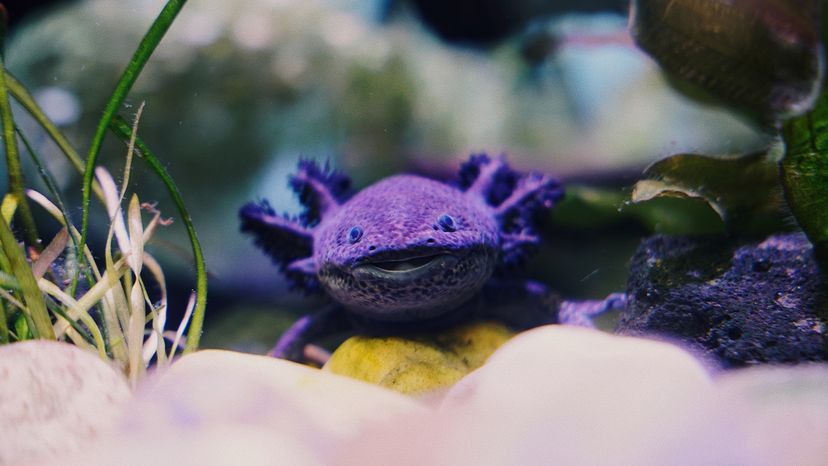
Axolotls come in many morphs from breeding. Wild types are dark with gold specks. Leucistic ones have pink skin and black eyes.
Popular varieties include golden albino and melanoid black. GFP axolotls glow under blue light from jellyfish genes.
Common Axolotl Morphs
- Leucistic: Pale with pink gills.
- Wild: Mottled brown for camouflage.
- Albino: White with red eyes.
- Melanoid: Solid black.
- Chimera: Split colors from fused embryos.
Choose based on looks, but all need same care. Nuance: Darker ones hide better in tanks.

piscespets.com
animals.howstuffworks.com
Breeding Axolotls at Home
You can breed axolotls if ready for eggs. Males and females mature at 18 months. Cool water triggers spawning.
Males drop spermatophores. Females pick them up. She lays 200-600 eggs on plants.
Breeding Best Practices
- Separate sexes until ready.
- Provide flat surfaces for eggs.
- Hatch in separate tanks.
- Feed babies brine shrimp.
- Avoid inbreeding for health.
Case study: Breeders use 14°C water for success. Pitfall: Overcrowded fry lead to cannibalism.
Legal and Conservation Aspects
Check laws before buying. Some places ban axolotls to protect natives. In the US, they are legal in most states but not California.
Support conservation. Buy captive-bred to ease wild pressure. Groups like the Ambystoma Genetic Stock Center preserve lines.
Ways to Help Axolotl Conservation
- Donate to habitat restoration.
- Spread awareness about threats.
- Choose ethical breeders.
- Report illegal trade.
Your pet choice matters. Logic: Healthy captives reduce wild collection.
Fun Facts and Myths About Axolotls
Axolotls inspire myths. No, they are not fish – they are amphibians. Fact: Their genome is 10 times human size.
They regenerate limbs five times perfectly. A study used viruses to boost brain regrowth.
Surprising Axolotl Facts
- Named after Aztec god Xolotl.
- Can absorb oxygen through skin.
- Live without metamorphosis.
- Resistant to cancer 1,000 times more than mammals.
- Evolved 10,000 years ago.
Bust the myth: They do not need land. Keep them wet!
FAQs
What size tank does an axolotl need?
Start with 20 gallons for one. Add space for more. Deeper water helps quality.
How often do you feed an axolotl?
Juveniles daily. Adults 3-4 times weekly. Use protein-rich foods.
Can axolotls live with fish?
No. Fish nip gills or carry diseases. Keep axolotls alone or with same species.
Why is my axolotl floating?
Stress or gas buildup. Check water and feed less. See a vet if ongoing.
Are axolotls good pets for kids?
With supervision, yes. They need stable care. Teach gentle handling.
How do axolotls regenerate?
Through blastema cells and signals like mTOR. It takes weeks for full growth.
Bottom Line
Axolotls bring joy with their unique traits and easy care. You now know how to set up habitats, feed properly, and handle health. Their regeneration adds wonder – imagine watching a limb regrow! Follow these tips for a happy axolotl. You gain a fascinating pet that teaches about nature.
Share your axolotl stories in the comments. What drew you to these creatures?