
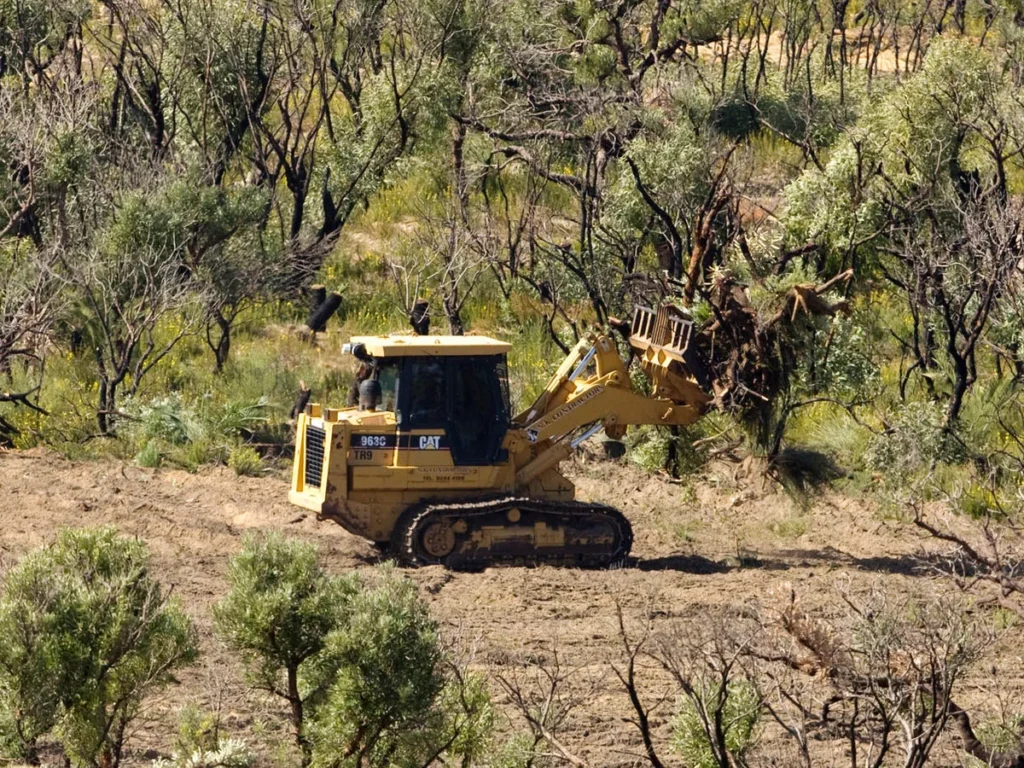
Clearing vegetation is the process of removing plants, shrubs, trees, and other growth from a piece of land. Whether you’re preparing a site for construction, managing a garden, or maintaining a property, understanding how to clear vegetation properly makes the job safer and more efficient.
This guide covers everything you need to know about vegetation clearing, from the basics to professional techniques.
What Is Vegetation Clearing?
Vegetation clearing involves removing unwanted plant life from a specific area. This can mean anything from cutting back overgrown bushes in your garden to completely clearing several acres of land for development.
The process typically includes removing:
- Trees and stumps
- Shrubs and bushes
- Grass and weeds
- Vines and ground cover
- Dead or diseased plants
The extent of clearing depends on your project goals. Some jobs require total removal down to bare soil, while others just need selective thinning.
Why Clear Vegetation?
People clear vegetation for many practical reasons. Understanding your purpose helps you choose the right approach and tools.
Property Development: Construction sites need cleared land for building foundations, roads, and utilities. You can’t pour concrete or lay pipes through dense growth.
Fire Prevention: In areas prone to wildfires, clearing vegetation creates defensible space around structures. Removing dry brush and maintaining cleared zones can save properties.
Agricultural Use: Farmers clear land to plant crops or create pastures for livestock. Old fields often need clearing when they return to agriculture after years of abandonment.
Aesthetic Improvement: Overgrown properties look neglected and can hide structural problems. Clearing vegetation improves curb appeal and property value.
Safety and Access: Dense vegetation blocks pathways, hides hazards, and provides cover for pests. Clearing improves visibility and access around your property.
How to Clear Vegetation
The method you choose depends on the size of your project, your budget, and the type of vegetation you’re removing.
Manual Clearing
For small areas or selective removal, hand tools work well. You’ll need basic equipment like:
- Pruning shears for small branches
- Loppers for thicker stems
- Hand saws for larger branches
- Axes or hatchets for small trees
- Shovels for removing roots
Manual clearing takes time but gives you precise control. It works best for gardens, small yards, or areas where you want to preserve certain plants.
Mechanical Clearing
Larger projects demand power tools and heavy equipment. Common options include:
Chainsaws: Essential for cutting down trees and large shrubs. They’re fast but require safety training and protective gear.
Brush Cutters: These handle thick grass, small bushes, and light woody growth. They’re more powerful than regular string trimmers.
Mulchers: These machines grind vegetation into mulch as they clear. The result is smaller debris that decomposes faster.
Excavators and Bulldozers: For major land clearing, heavy machinery removes everything including stumps and roots. You’ll need a licensed operator.
Chemical Clearing
Herbicides kill vegetation without physical removal. This approach works for controlling regrowth or treating large areas of invasive plants. However, chemicals require careful application and may harm desirable plants or wildlife.
Always follow label directions and consider environmental impact before using herbicides.
Who Clears Vegetation?
The scale of your project determines whether you tackle it yourself or hire professionals.
Homeowners handle small garden maintenance, trimming bushes, and removing individual plants. Basic hand tools and weekend effort usually suffice.
Landscaping Companies take on residential and commercial projects that exceed DIY capacity. They have professional equipment and trained crews.
Land Clearing Contractors specialize in large-scale projects like construction site preparation, forestry work, and agricultural land development. They operate heavy machinery and handle permitting requirements.
Government Agencies clear vegetation for infrastructure projects, fire prevention, and public land management.
For insights on various property management topics, visit Dot Daily.
Tips for Effective Vegetation Clearing
Following smart practices makes clearing safer and more successful.
Start by surveying your property. Identify what needs removal and what you want to keep. Mark trees or plants you’re preserving with bright tape.
Check local regulations before starting. Many areas require permits for tree removal, especially for large trees or protected species. Utility companies need notification if you’re working near power lines.
Choose the right season. Late winter or early spring works best for most clearing. Plants are dormant, visibility is better without leaves, and you avoid nesting birds.
Work from top to bottom. Remove tree canopies before tackling lower growth. This prevents damage to equipment and reduces hazards from falling branches.
Dispose of debris properly. Check if your municipality offers yard waste collection. Large projects may need a dumpster rental or professional hauling service.
Benefits of Proper Vegetation Clearing
Well-executed clearing delivers multiple advantages beyond just removing plants.
You gain usable space for new purposes. That overgrown corner becomes a patio, garden bed, or play area.
Property maintenance becomes easier. Regular mowing and upkeep take less time when you’re not fighting thick growth.
Pest problems decrease. Rodents, snakes, and insects lose their habitat when you remove dense vegetation.
Your property value increases. Cleared, maintained land appeals to buyers and appraisers more than overgrown lots.
Drainage improves. Removing vegetation can redirect water flow and reduce flooding issues.
Risks to Consider
Vegetation clearing carries real hazards that require respect and preparation.
Physical injury tops the list. Chainsaws, falling branches, and heavy equipment cause serious accidents. Always wear safety gear including eye protection, gloves, and sturdy boots.
Property damage can occur when trees fall unpredictably or heavy equipment tears up landscapes. Plan cutting directions and protect structures.
Environmental harm happens when clearing disrupts ecosystems, causes erosion, or pollutes waterways with sediment runoff. Use erosion control measures on slopes.
Legal trouble follows unauthorized tree removal or work that violates local codes. Verify requirements before starting.
Hidden utilities pose dangers. Hitting underground gas, electric, or water lines during clearing creates emergencies. Call 811 to mark utilities before digging.
Performance and Results
Success in vegetation clearing shows in the final condition of your land and how well it meets your goals.
Professional crews typically clear 1-2 acres per day depending on density and terrain. DIY projects move slower but cost less.
Quality clearing leaves the site ready for its next use. This means level ground, removed stumps, and minimal debris. Poor clearing leaves hazards and requires additional work.
Cost varies widely based on project size, vegetation density, and location. Small residential jobs might run a few hundred dollars, while commercial land clearing costs thousands per acre.
Moving Forward with Your Clearing Project
Clearing vegetation transforms unusable land into functional space. Whether you’re improving your backyard or preparing a construction site, proper planning and execution make the difference between success and frustration.
Start small if you’re new to clearing work. Gain experience with manageable projects before tackling larger areas. Know when to call professionals for jobs beyond your skill or equipment level.
The investment in proper vegetation clearing pays back through improved property use, reduced maintenance, and increased value. Just remember that rushing the job or skipping safety steps creates problems that cost more to fix than doing it right the first time.