
Are you tired of paying for ads every single month — and still not seeing results?
Most businesses spend thousands on pay-per-click campaigns, social media ads, and programmatic platforms. The money keeps flowing out. The moment you stop paying, your visibility disappears. That is the big trap of modern digital advertising.
A permanent ad breaks that cycle. You pay once, and your ad stays up. No monthly fees. No bidding wars. No waking up to find your budget drained overnight. In this guide, you will learn everything about permanent advertising — what it is, how it works, when it makes sense, and how to get the most from it. Whether you are a small business owner or a seasoned marketer, this is the guide you have been looking for.
What Is a Permanent Ad?
A permanent ad is an advertisement that you pay for once and it stays live indefinitely — or for a very long contract term.
Unlike Google Ads or Facebook Ads (where you pay per click or per 1,000 impressions), a permanent ad has no recurring cost. You place it, you pay once, and it keeps working for you.
Here is the key difference in simple terms:
- Traditional ad: You pay every day/month. Stop paying = ad disappears.
- Permanent ad: You pay once. The ad stays up as long as the platform exists.
Permanent ads are common in:
- Niche directories and resource websites
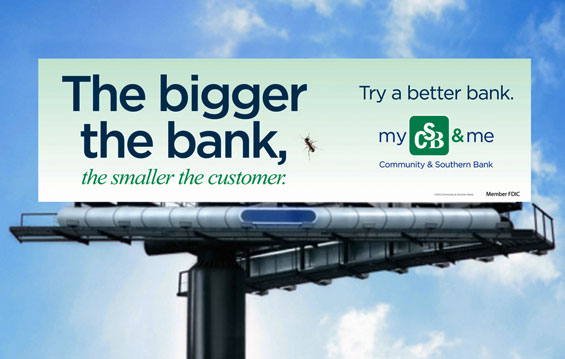
- Permanent billboard placements (outdoor advertising)
- Sponsored links on high-authority websites
- Job boards and local business listings
- Permanent ad networks built around one-time payment models
The concept is not new. Think of the Yellow Pages. You paid once per year. Your listing stayed up all year. Permanent digital advertising works the same way — just online.
How Does Permanent Advertising Work?
Permanent advertising is straightforward. Here is the basic process:
- Find a platform or publisher that offers permanent ad placements.
- Choose your ad placement — banner, text link, directory listing, or sponsored slot.
- Pay the one-time fee agreed between you and the publisher.
- Submit your ad creative — image, link, or text.
- Your ad goes live and stays there.
There is no auction. No bidding. No algorithm deciding if your ad shows today or not. Your ad simply sits on the page and works 24 hours a day, 7 days a week.
How pricing works:
Pricing for permanent ads varies widely. A small niche blog may charge $20–$100 for a permanent sidebar link. A high-traffic industry directory might charge $500–$5,000 for a permanent featured listing. Premium placements on established websites can cost much more.
The key thing to understand is that you are paying for time rather than performance. You are buying the right for your ad to exist on that page — forever.
Types of Permanent Ads
Not all permanent ads look the same. Here are the main types:
1. Permanent Banner Ads
- Static image ads on a website sidebar or header
- Usually in standard IAB sizes (300×250, 728×90, 160×600)
- Paid once, displayed permanently
2. Permanent Text Link Ads
- A clickable text link embedded naturally in website content or a links page
- Great for SEO link-building value
- Often priced lower than banner ads
3. Permanent Directory Listings
- A business listing on an industry-specific or local directory
- Includes your name, description, link, and contact info
- Common in healthcare, legal, and trade industries
4. Permanent Sponsored Posts
- An article or post about your business that stays live on a website permanently
- Also known as “evergreen sponsored content”
5. Permanent Outdoor Bulletins
- A physical billboard at a fixed location for a long-term contract (typically 12+ months)
- These are called “permanent bulletins” in the Out-of-Home (OOH) advertising industry
- Contrasted with “rotary” placements that move between locations
6. Permanent Newsletter Sponsorships
- A sponsored slot in an email newsletter archive that stays visible to readers online permanently
Benefits of Permanent Ads: Why Businesses Choose Them
There are strong reasons why many businesses prefer permanent advertising over ongoing paid campaigns. Here is what makes the model attractive:
Cost Predictability
- You know exactly what you are spending upfront.
- No surprise charges at the end of the month.
- No budget overruns from bidding competition.
Long-Term Brand Presence
- Your ad compounds in value over time.
- The longer the ad stays live, the more people see it.
- Great for brand recognition in a specific niche or locality.
SEO and Link Value
- A permanent link from a relevant website passes SEO value over time.
- This can improve your search engine rankings organically.
- The longer the link lives, the more value it tends to build.
No Platform Dependency
- You are not at the mercy of Google’s algorithm or Facebook’s ad auction.
- A policy change will not kill your ad overnight.
Low Maintenance
- Once the ad is live, there is nothing to manage.
- No daily bid adjustments, no A/B testing pressure, no campaign restarts.
Ideal for Evergreen Products or Services
- If your offer does not change often, a permanent ad is a set-and-forget tool.
- Works well for local businesses, professionals, and niche services.
Permanent Ads vs. Programmatic Advertising: Key Differences
Understanding the contrast helps you choose the right model for your goals.
| Feature | Permanent Ad | Programmatic Ad |
|---|---|---|
| Payment model | One-time fee | Ongoing (CPC, CPM, CPA) |
| Ad visibility | Always visible | Depends on budget |
| Control | Fixed placement | Algorithmic |
| Scalability | Limited | Highly scalable |
| SEO value | High (backlink) | None direct |
| Risk | Low ongoing cost | High spend without ROI |
| Best for | Long-term branding | Short-term campaigns |
Programmatic advertising platforms like Google Display & Video 360 (DV360), The Trade Desk, and StackAdapt are powerful for large-scale, data-driven campaigns. But they require constant budget, ongoing management, and expertise.
A permanent ad is the opposite. It is simple, stable, and stacks value over time.
How to Choose the Right Permanent Ad Placement
Not every permanent ad opportunity is worth your money. Here is how to evaluate one before you commit:
Traffic and Relevance
- Ask the publisher for their monthly traffic stats.
- Check if their audience matches your target customer.
- A niche website with 5,000 targeted visitors beats a general site with 100,000 irrelevant ones.
Domain Authority (DA)
- Use tools like Moz or Ahrefs to check the site’s DA score.
- A higher DA means stronger SEO value from your backlink.
- Aim for sites with DA 30+ for meaningful link equity.
Ad Placement Position
- Above-the-fold ads (visible without scrolling) get more visibility.
- Sidebar ads perform better on content-heavy websites.
- In-content links tend to have higher click-through rates than banner ads.
Publisher Reputation
- Check the site’s content quality. Is it updated regularly?
- Look at who else advertises there.
- Avoid sites that look spammy or have low content standards.
Contract Terms
- “Permanent” can mean different things on different platforms.
- Ask: Does “permanent” mean forever, or for a set period?
- Get clarity on what happens if the website shuts down.
Price vs. ROI Potential
- Calculate the break-even point. How many leads or sales does the ad need to generate to cover the fee?
- Compare the one-time permanent cost to what you would spend on 12 months of PPC for the same audience.
Best Practices for Creating a High-Performing Permanent Ad
Placing the ad is only half the job. Here is how to make sure your permanent ad actually converts:
Keep Your Message Evergreen
- Avoid dates, seasonal offers, or time-sensitive language.
- “Trusted Local Plumber Since 2010” works forever. “Summer Sale Ends Soon” does not.
Use a Clear Call to Action (CTA)
- Tell the reader exactly what to do: “Get a Free Quote,” “Book Today,” “Learn More.”
- One clear CTA outperforms multiple vague ones every time.
Match the Ad to the Page Content
- Your ad should feel relevant to the page it appears on.
- An ad for a garden tool on a gardening blog will always outperform a random placement.
Optimise Your Landing Page
- The ad click means nothing if your landing page does not convert.
- Make sure the page loads fast, explains your offer clearly, and has a strong CTA.
Use High-Quality Visuals
- For banner ads, use clean, professional images.
- Avoid cluttered designs with too much text.
- Contrast your CTA button against the background.
Test Different Ad Creatives When Possible
- If the publisher allows you to swap creative, test two different versions over time.
- Track click-through rates and see which version performs better.
Include Your Brand Name Consistently
- Brand recognition builds over time with repeated exposure.
- People who see your name 5–10 times are more likely to click eventually.
Permanent Ads and SEO: A Hidden Advantage
Here is something many business owners miss. A permanent ad that includes a backlink to your website is also an SEO asset.
When a relevant, reputable website links to yours permanently, that link passes “link equity” to your site. Google counts this as a vote of confidence.
Over time, this can:
- Improve your domain authority
- Boost your rankings for target keywords
- Drive organic traffic in addition to direct ad clicks
This is why many digital marketers choose permanent ads on high-DA websites specifically for the SEO benefit — even if the direct ad clicks are modest. You are essentially getting two benefits for one payment.
However, be careful here. Google’s guidelines say that paid links intended to manipulate rankings should use the rel="sponsored" or rel="nofollow" attribute. Ask the publisher how they handle link attributes. A permanent ad link with a nofollow tag will not pass direct link equity but still has branding value.
If you want to learn more about how digital advertising connects to online visibility strategies, check out this breakdown of digital fairways advertising which covers related concepts in online media placements.
Where to Find Permanent Ad Opportunities
Here are the best places to look for permanent ad placements:
Niche Websites and Blogs
- Reach out directly to website owners in your industry.
- Look for an “Advertise With Us” or “Sponsor” page.
- Many bloggers and content creators offer permanent link or banner options.
Permanent Ad Networks
- Some platforms are built specifically around the one-time payment model.
- You buy a slot, it stays live. No monthly billing cycles.
Industry Directories
- Most trades have industry-specific directories that offer premium permanent listings.
- Examples: legal directories, healthcare directories, home services directories.
Local Business Listings
- Chamber of commerce websites, local news sites, and community portals often offer permanent business listings.
Sponsored Content Platforms
- Some content platforms let you pay for a permanent sponsored post that ranks in search and stays indexed forever.
Out-of-Home (OOH) Advertising
- Contact local billboard operators.
- Ask specifically about “permanent bulletin” placements at fixed high-traffic locations.
Pitfalls to Avoid With Permanent Advertising
Permanent ads are not perfect. Watch out for these common mistakes:
Paying for Dead Traffic
- Some websites inflate traffic stats. Always verify with SimilarWeb or Semrush before paying.
“Permanent” That Is Not Actually Permanent
- Some publishers use the word loosely. Always get a written agreement.
- Ask: “If you close the site, will I get a refund?”
Poor Placement Position
- A banner buried below the footer is nearly invisible. Confirm exact placement before paying.
Irrelevant Website Audiences
- Placing an ad for a B2B software tool on a fashion blog is wasted money, even if it is permanent.
Neglecting Your Landing Page
- The permanent ad brings the visitor. Your landing page must close the deal.
Over-Relying on Permanent Ads Alone
- Permanent ads build brand awareness and drive steady low-level traffic. They are not a replacement for a full marketing strategy.
Ignoring Google’s Link Guidelines
- If you are buying permanent ads for SEO purposes, make sure the publisher uses proper link attributes. Ignoring this can lead to penalties.
Integration: How to Use Permanent Ads in Your Marketing Strategy
Permanent ads work best when combined with other channels. Here is a simple integration framework:
Awareness Layer
- Use permanent ads on high-traffic niche sites to build long-term brand awareness.
- Permanent outdoor bulletins at key intersections serve the same role offline.
SEO Layer
- Secure permanent backlinks from authoritative industry websites.
- Combine with your content marketing and on-page SEO strategy.
Conversion Layer
- Drive permanent ad traffic to optimised landing pages.
- Use retargeting campaigns (Google, Meta) to re-engage visitors who clicked but did not convert.
Measurement Layer
- Use UTM tracking parameters on all permanent ad URLs so you can monitor traffic in Google Analytics.
- Check click volume and conversion rate quarterly.
- Calculate your total lifetime return on the one-time investment.
This layered approach lets permanent ads serve as a stable, cost-efficient foundation while more dynamic paid channels handle short-term campaign bursts. For further reading on smart digital strategy, see how TLK Fusion approaches marketing partnerships and media spend.
Maintenance and Troubleshooting for Permanent Ads
“Set it and forget it” is mostly true — but not entirely. Here is a simple maintenance checklist:
Every 3 Months:
- Check that your ad is still live on the publisher’s site.
- Verify the link still points to the correct URL.
- Review your UTM data in Google Analytics for traffic changes.
Every 6 Months:
- Re-evaluate the publisher’s traffic and domain authority.
- Check that your landing page still works and converts well.
- Consider refreshing the ad creative if the publisher allows it.
Common Issues and Fixes:
- Ad disappeared — Contact the publisher immediately. Reference your payment confirmation.
- Broken link — Update the destination URL with the publisher.
- No traffic at all — Check if the page your ad is on still gets traffic. The site may have lost rankings.
- Low click-through rate — Refresh the ad creative or CTA copy if the publisher allows updates.
Real-World Scenarios: Permanent Ads in Action
Here are three practical scenarios where permanent ads deliver real value:
Scenario 1: Local Trade Business A plumber in Birmingham pays £150 for a permanent listing on a local home services directory. Over 3 years, that single listing drives steady new enquiries every month. The return far exceeds what the same budget would achieve in monthly Google Ads spend for that period.
Scenario 2: SaaS Tool for a Niche Industry A small project management SaaS pays $400 for a permanent banner ad on a popular construction management blog. The relevant audience drives steady, targeted signups month after month — with zero ongoing cost.
Scenario 3: Content Publisher Building Authority A finance blog secures permanent sponsored posts on 10 high-DA personal finance websites. Each post contains a permanent backlink. Over 18 months, the cumulative SEO benefit pushes the blog’s key articles to page one of Google — delivering organic traffic worth far more than the original investment.
FAQs About Permanent Ads
What exactly does “permanent ad” mean?
A permanent ad is an advertisement you pay for once and it stays live indefinitely on the publisher’s website or platform. Unlike PPC (pay-per-click) or CPM (cost-per-thousand impressions) ads, there is no recurring charge. You pay a one-time fee and the ad remains up as long as the platform exists.
Is a permanent ad worth the money compared to Google Ads?
It depends on your goal. Google Ads delivers fast, scalable, targeted traffic but requires constant budget. A permanent ad is slower to return value but compounds over time. If you find a well-placed, relevant permanent slot, the long-term ROI can far exceed what monthly PPC would achieve for the same audience.
Do permanent ads help with SEO?
Yes — if the ad includes a followed backlink from a relevant, high-authority website. That link passes SEO value to your domain over time, helping your pages rank better. Google requires that paid links use rel="sponsored" attributes. Links marked sponsored do not directly pass link equity, but still provide brand visibility and referral traffic.
How do I know if a permanent ad placement is legitimate?
Check the website’s traffic with tools like SimilarWeb or Semrush. Verify their domain authority with Moz or Ahrefs. Look for a professional website with active, quality content. Ask for previous advertiser references. Always get a written agreement before paying.
Can I update my permanent ad creative after paying?
This depends on the publisher. Some allow creative updates as part of the deal. Others charge a small fee. Some do not allow changes at all. Always clarify this before you commit.
What happens to my permanent ad if the website shuts down?
If the website closes, your ad disappears. This is the main risk of permanent advertising. Choose established websites with a long track record and spread your permanent ad placements across multiple publishers so no single shutdown causes major loss.
The Bottom Line
A permanent ad is one of the most underrated tools in digital marketing. You pay once, and your brand keeps showing up — building awareness, driving clicks, and in many cases, passing SEO value — all without spending another penny.
It is not a replacement for full-scale campaigns. But as part of a smart marketing mix, permanent advertising gives you a stable, cost-predictable foundation that compounds in value over time. The businesses that get it right treat permanent ads like long-term investments — patient, strategic, and quietly powerful.
Start by identifying two or three relevant, high-authority websites in your niche. Reach out about their permanent advertising options. Calculate the break-even on a one-time placement. You might be surprised how much lasting value a single permanent ad can deliver.

Shahid Maqsood is an Editor and Content Strategist with 5 years of experience in digital media and content publishing. He holds an MBA and a Master’s degree in Mass Communications, combining business insight with editorial expertise. Shahid specializes in biography writing, technology, and business news — crafting content that is accurate, well-researched, and reader-first. He currently leads editorial strategy at Dot Daily, ensuring every story meets the highest standards of clarity and credibility. Connect on LinkedIn